Zakat From the Sportsbook? Inside the 'Charity Betting' Trend Dividing Bengali-American Players
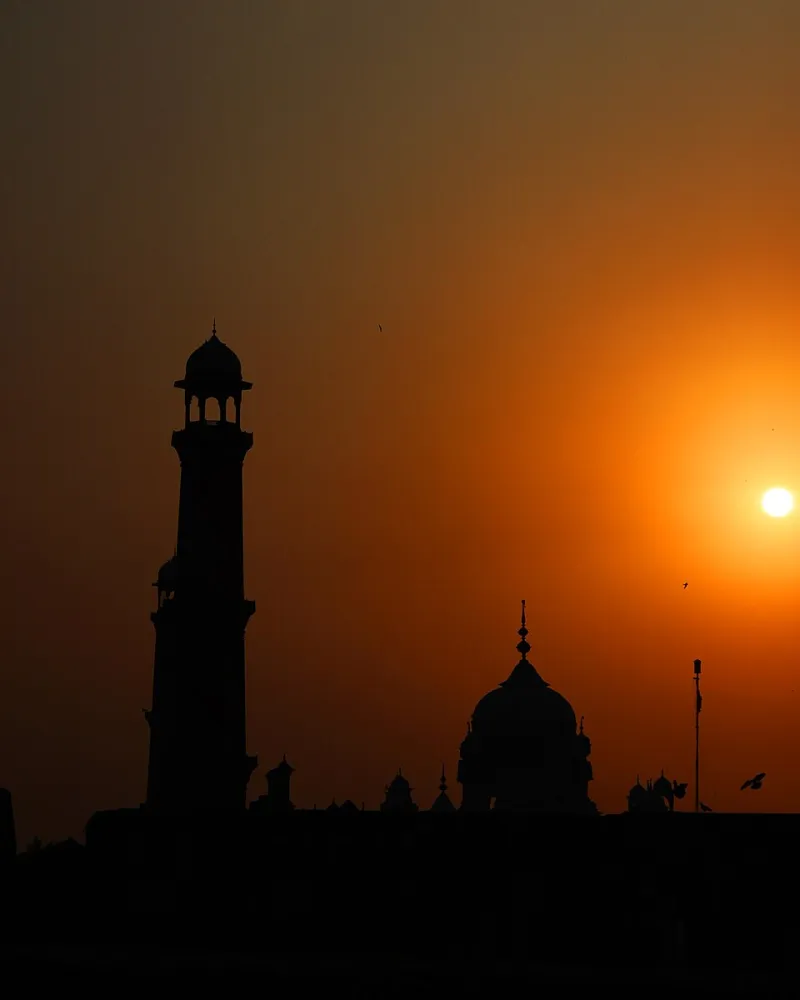
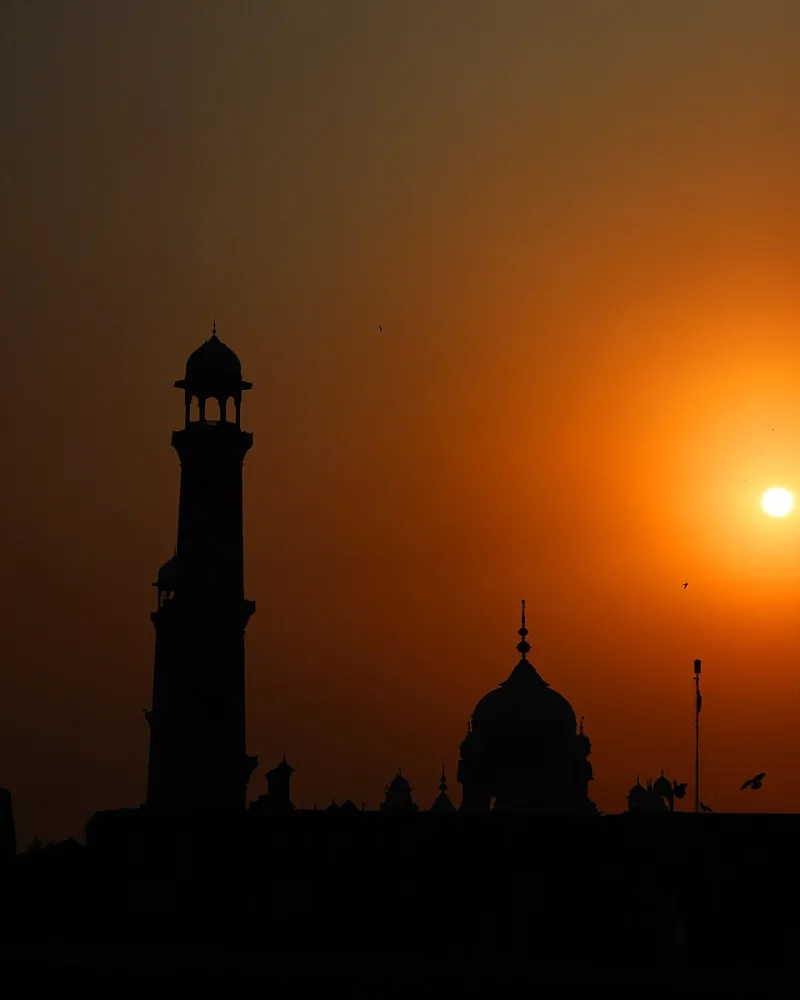
Photo: Azhar, CC BY-SA 4.0, via Wikimedia Commons
The WhatsApp message landed in a New Jersey family group chat during the last BPL final: a screenshot of a sportsbook's homepage promising that 2% of net revenue would go to 'verified Islamic relief charities.' The reaction was instant and split. One cousin called it a game-changer. Another called it a con.
Both reactions, it turns out, are common in the Bengali-American betting scene — a community where many players place wagers on cricket despite genuine religious reservations, and where a new wave of 'charity-forward' sportsbooks is forcing an uncomfortable question: can a donation make a wager sit easier on the soul?
The Rise of the 'Ethical' Sportsbook
It's a small but growing niche. A few offshore books and at least one US-licensed operator have experimented with profit-sharing pledges aimed at faith communities — donations to food banks, disaster relief, and orphan sponsorship programs in Muslim-majority countries. The pitch is subtle: if betting is going to happen anyway, some of the money can do some good.
For Bengali-American players, the marketing lands differently than it might for the general public. Many were raised with a clear understanding that gambling (maysir) is prohibited in Islamic teaching — not merely discouraged, but named in the Quran alongside alcohol as a source of harm. Betting on a Bangladesh Premier League match isn't a neutral pastime in most Bengali households; it's something done quietly, if at all.
"I've been betting on cricket for six years," says Rafiq, 38, an IT consultant in Jersey City who asked that we use only his first name. "Every deposit comes with a little guilt attached. When I saw a book donating to Gaza relief, honestly? It made me feel less terrible. Whether that's rational is a different question."
What the Imams Say
We reached out to three imams serving Bengali congregations in the New York and New Jersey area. None were willing to endorse charity-linked betting, and their reasoning was remarkably consistent.
"The prohibition doesn't depend on what happens to the money afterward," explains one imam from a masjid in Hamtramck, Michigan, who asked not to be named. "If the source is impure, a donation doesn't purify it. In fact, there's a well-known principle that giving charity from haram wealth earns no reward."
Another scholar put it more bluntly: "A sportsbook donating to an Islamic charity is like a liquor store funding a madrasa. The intention may be kind, but the transaction itself remains what it was."
That said, none of the imams we spoke to were hostile to the players themselves. Several emphasized that harm reduction matters even when it doesn't change the ruling — a nuance that shapes how some bettors interpret these programs.
The Bettors' Verdict: Comfort or Con?
Among the roughly two dozen Bengali-American bettors we informally polled, opinion clustered into three camps.
The first sees the donations as a genuine mitigating factor — not a religious green light, but a partial offset. "If my action causes harm, and part of my money repairs some harm, that's better than nothing," one Queens player told us.
The second camp views it as marketing, full stop. "They spend more on that ad campaign than they'll ever give to charity," said a Detroit bettor who works in banking. "The donation is paid from profits we generated by losing. It's our own money with better PR."
The third camp, notably, includes bettors who said the charity angle made them more suspicious, not less. "A book that leads with morality is usually compensating for something — slow payouts, weird terms, or worse," one player warned. "Read the withdrawal policy before you read the donation policy."
That last point deserves emphasis. Charity pledges are unregulated marketing claims in most cases. If a platform advertises donations but doesn't publish audited figures, there's no way to verify a single taka — or dollar — ever left the building.
What the Industry Says
An executive at one mid-size sportsbook, speaking on background, acknowledged the tension. "We know a percentage of our customer base bets despite religious discomfort. If transparency about where revenue goes reduces that discomfort without increasing betting frequency, we consider that a win. If it increases frequency, that's a problem."
That distinction — does it change behavior, or just change feelings? — is the crux. There's little public data yet, but the risk of 'moral licensing' is real: research in behavioral psychology suggests people sometimes consume more of something when it's framed as ethical. A bettor who feels his wager funds orphan sponsorship may bet more often, not less.
A Practical Takeaway
If you're a Bengali-American player weighing one of these platforms, a few grounded suggestions:
- Ask for proof. Legitimate programs publish donation amounts and recipient organizations. No audit, no credibility.
- Don't let a donation reprice the odds. A book giving away 2% while offering worse lines is costing you more than it's giving away.
- Be honest with yourself. If the charity angle is the main reason you're comfortable depositing, ask whether you'd be comfortable without it. That's the question worth sitting with.
- Check the payout record first. Ethics claims and withdrawal reliability are unrelated. Verify the latter before trusting the former.
The Bottom Line
For most scholars, the ruling on gambling doesn't bend because the sportsbook tithes. For many players, though, the conscience math is messier — and the charity pledge is doing exactly what marketing is designed to do: making a hard choice feel a little easier.
Whether that's meaningful mitigation or a gimmick probably depends on which side of the wager you're standing on. What's certain is that the conversation in Bengali-American group chats isn't going away. The BPL runs all winter, and the books know exactly who's watching.