Fiqh at the Bookmaker's Window: What Bengali Scholars Actually Say About Betting on Cricket

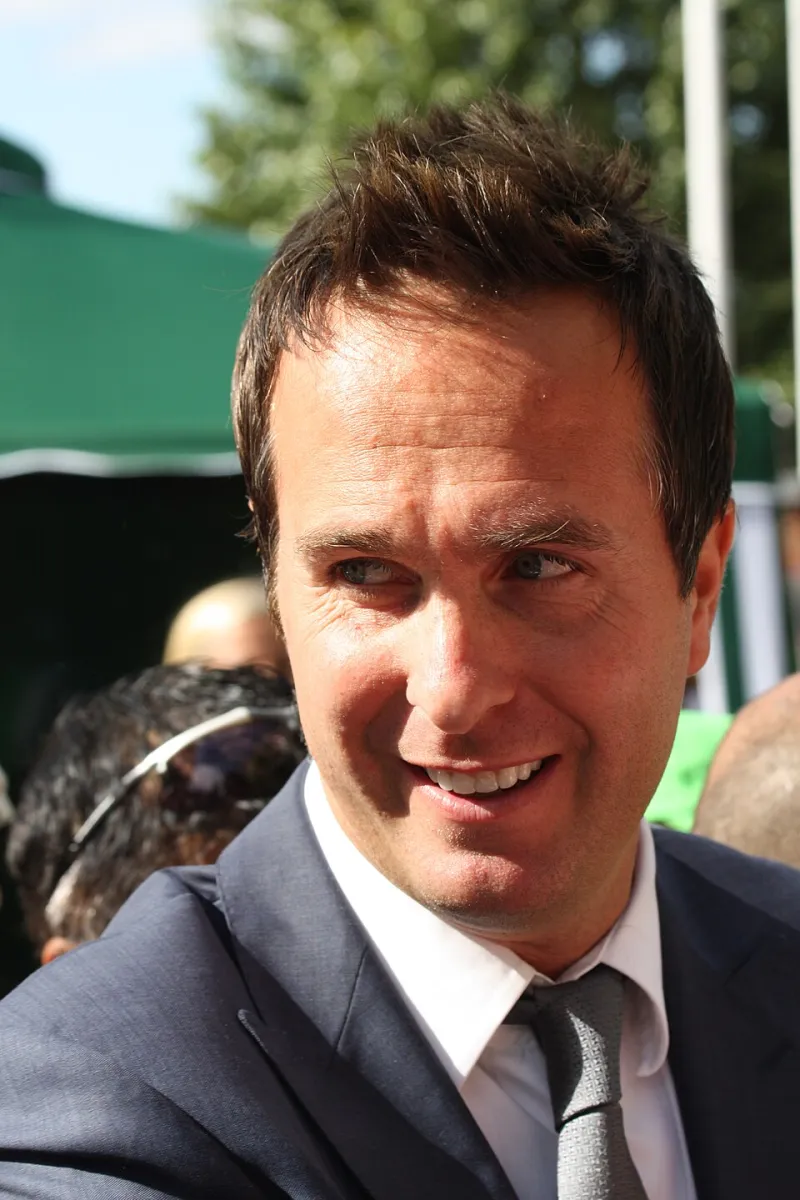
Photo: Azhar, CC BY-SA 4.0, via Wikimedia Commons
Every February, when the BPL gets going and the group chats light up with odds talk, the same argument resurfaces in Bengali-American households from Queens to Hamtramck: is this even allowed?
It's a question most American sportsbooks never touch. They'd rather you not think about it at all. But for a community where faith isn't a weekend accessory — it's the operating system — the halal wager debate isn't abstract theology. It's a live, weekly negotiation between the mosque, the family WhatsApp, and the betting app on your phone.
So we asked. Not just bettors, but the people bettors answer to: imams, Islamic finance professionals, and a few scholars who agreed to speak on background. What follows is not a ruling. It's a map of an argument that has no clean ending — and a look at how offshore operators exploit the ambiguity while everyone else avoids the conversation.
The Case the Mullahs Can't Get Around
Start with the obvious: the Quran is not subtle on this. Maysir — gambling — is named explicitly and condemned, most directly in Surah Al-Ma'idah, where it's grouped with alcohol as "the abominations of Satan's handiwork." There's no "except cricket" clause. Every imam we spoke to, without exception, opened with this.
"The classical texts are clear, and I won't soften them," said Imam Abdul Mannan, who leads a congregation outside Detroit. "The question people bring me is never really 'is it halal?' It's 'can I keep doing it anyway?' Those are different questions."
But here's where the conversation gets interesting. The prohibition traditionally hinges on gharar (excessive uncertainty) and qimar (wagering where one party's gain is another's loss). Modern Islamic finance scholars have spent decades building intricate workarounds for stocks, insurance, and currency trading — instruments that, on paper, share gambling's DNA. Some bettors point to that intellectual infrastructure and ask the natural follow-up: if structured speculation is permissible, why isn't a disciplined wager?
The Gray-Zone Arguments You'll Hear at Every Eid Dinner
We cataloged the most common reconciliations circulating in Bengali-American betting circles. None of them carry formal scholarly weight — but understanding them explains why the debate never dies.
The "skill game" argument. Poker players made this case in America for years. Cricket bettors make it now: informed analysis of pitch conditions, player form, and toss dynamics makes betting an exercise of knowledge, not chance. One bettor in New Jersey put it bluntly: "I study more for a BPL match than I did for my CFA exam. Where's the gharar in that?" Most scholars we consulted were unmoved — the outcome still rests on events outside your control.
The "small stakes, entertainment" framing. Some point to adab principles around moderation, arguing that trivial stakes among friends — a few dollars on the India match — resemble the light-hearted competitions the Prophet reportedly permitted, like footraces. Imam Mannan's response: "The companions raced for a prize they could hold. A parlay slip is not a footrace."
The "tax on winnings" loophole. A few bettors only wager with money earmarked as disposable — treating losses as payment for entertainment, like a movie ticket. Scholars generally call this a psychological trick, not a fiqh position. But it persists because it works, emotionally.
"I tell people the honest answer," said Dr. Farhana Chowdhury, who researches Islamic economics at a Midwest university. "The mainstream position is prohibition. The gray-zone arguments exist, but they're mostly made by people who want to keep betting, not by scholars seeking to permit it. That distinction matters."
How Offshore Sites Weaponize the Silence
Here's where we get uncomfortable — including with our own industry.
Several offshore platforms targeting South Asian markets have figured out that religious doubt is a conversion barrier, and they've started marketing around it. We've seen affiliate pages using phrases like "skill-based cricket prediction" instead of betting, or framing deposits as "entry fees for competitions." One site reportedly ran promotions timed around Eid with the tagline "celebrate responsibly."
This isn't accommodation. It's exploitation. These operators aren't helping players resolve a genuine theological question — they're laundering gambling through euphemism so faith-conscious users skip the deliberation entirely. That's worse than an honest sportsbook with a clear "betting is risky" disclaimer, and Bengali players should treat it as a red flag. If a platform won't say the word "bet," ask what else it won't say — like withdrawal terms, or whether your money is regulated anywhere at all.
What "Ethical Betting" Could Actually Mean
Assume you've heard the prohibitions, weighed the gray-zone arguments, and decided to bet anyway. Is there a version of this that respects your faith and your community? The most self-aware bettors we spoke to follow a rough code:
- Decide with full information. Know the mainstream position. Don't let an affiliate blog or a Telegram tipster tell you it's "totally fine." Own the decision.
- Cap it like entertainment, not income. If winnings ever become part of the household budget, the "harmless fun" framing collapses — and so does the financial logic.
- Never bet the mosque's money. Skip Zakat funds, family obligations, anything earmarked. The bettors in trouble are always the ones who blurred that line.
- Skip the euphemism merchants. Betting on a regulated US sportsbook where you understand the terms beats hiding in an offshore gray zone that markets itself as "prediction contests."
- Keep the door open to quitting. Several bettors told us they give up wagering during Ramadan entirely — and a few never come back. That flexibility is a feature.
No Clean Verdict, And That's the Point
We're a betting site, and you might expect us to tell you the debate is settled in bettors' favor. It isn't. The mainstream scholarly position is clear, the gray zones are genuinely gray, and every Bengali-American player navigating this is doing real moral work — not looking for permission from a website.
What we can offer is honesty. Competitors in this space won't publish this article because acknowledging the debate gives bettors a reason to pause. We think that's backwards. A player who has thought through the halal question — who bets with limits, on regulated platforms, with eyes open — is a better player than one who numbed the question with a euphemism and a bonus code.
The wager on the Tigers is your call. The conversation about it? That's not going anywhere. Might as well have it honestly.
If betting has stopped feeling like a choice, help exists. Call the National Problem Gambling Helpline at 1-800-522-4700 — it's free, confidential, and available 24/7.