Blackout-Proof Betting: The Backup Playbook for When the Power (or the Stream) Dies Mid-Innings
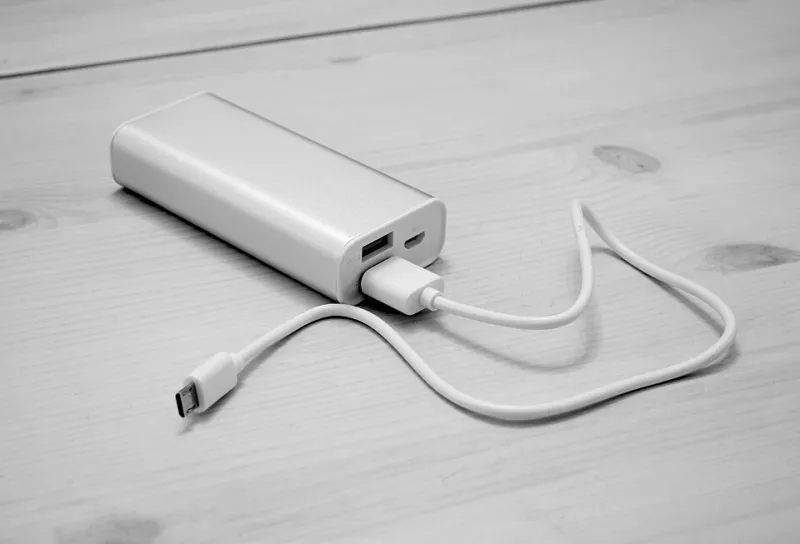
Photo: Santeri Viinamäki, CC BY-SA 4.0, via Wikimedia Commons
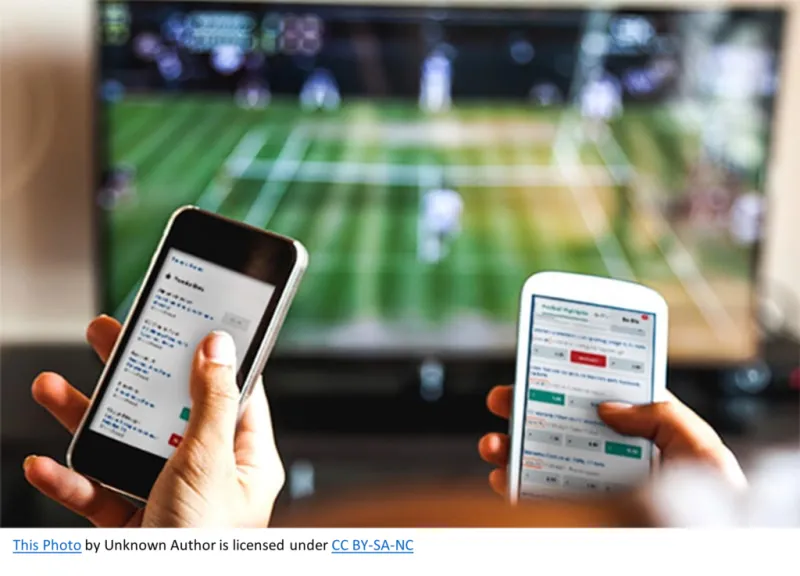
Every Bengali-American bettor has a story like this one. It's the 19th over of a BPL chase, your guy needs 14 off 8, and right as you go to hammer the live over — the WiFi icon goes gray. A snowplow took out a transformer two blocks over in Edison. The bet times out. The moment passes. You're staring at a black TV screen with a phone at 4% battery.
If you grew up anywhere near Dhaka, you've lived this before. Load-shedding taught a generation to keep candles, charged power banks, and a Plan B within arm's reach. Turns out that instinct is exactly what a serious betting setup needs in an American winter, too. Here's the full survival kit — gear, apps, and habits — for betting through blackouts, buffering streams, and dead zones.
Why Your Connection Is Your Real Bankroll
Here's the thing nobody tells new bettors: odds don't wait. A live cricket market can swing 30-40% in the ninety seconds it takes your router to reboot. If your connection drops mid-wager, most books will either reject the bet or process it at a stale price — and neither outcome is in your favor. Protecting your connectivity is just as much bankroll management as setting stake limits.
Layer One: Dual-SIM and a Real Data Plan
The single biggest upgrade you can make is carrier redundancy. Home internet and mobile data almost never go down at the same time — unless you're on the same carrier for both.
- Get a second SIM or eSIM on a different network. If your home fiber is Verizon and your phone is on T-Mobile, a single outage won't take you offline completely. Most modern US phones support dual eSIMs, so you can keep a cheap prepaid line active as your emergency lane.
- Know your 5G dead spots before you need them. Test your phone's hotspot in the basement, the garage, and by the window where you usually watch matches. Fifteen minutes of testing beats an hour of panic.
- Set a data cap alert. Live streams eat 1.5-3GB an hour. If your backup plan is hotspot data, make sure you're not two days from your billing reset when the big match starts.
Layer Two: The Power Side of the Kit
A data connection is useless if your phone is dead. Winter outages in the Northeast can run anywhere from twenty minutes to two days, so build for the long version.
- Two charged power banks minimum — one 10,000mAh for the phone, one bigger unit that can top up a tablet or router. Recharge them on the first of every month, like a bill.
- A UPS for your router. A basic $50 uninterruptible power supply will keep your modem and router alive for an hour or more. That's usually longer than most outages last, and it's the difference between one dropped ball and a lost session.
- A charged backup device. An old phone or a tablet that lives in a drawer, fully charged, with your sportsbook apps and score apps already logged in. Update it monthly.
If you grew up with the monsoon-season routine of charging everything before the rain came, none of this is new. You're just applying Dhaka logic to a Jersey February.
Layer Three: When the Stream Dies, the Score Shouldn't
Video needs bandwidth; a score feed needs almost none. When your stream buffers into a slideshow, switch to text-based tracking and keep betting off the numbers, not the picture.
- Install a lightweight live-score app — ESPNcricinfo's app and similar scorecard apps update ball-by-ball on a trickle of data. They'll run fine on hotspot speeds that would choke a video stream.
- Turn on push notifications for wickets and milestones. Your phone will tell you the moment a wicket falls, even with the screen off and the stream frozen.
- Follow one trusted commentary feed on social media as a sanity check. Two independent sources beat one laggy video.
Layer Four: Protecting Open Bets During an Outage
Connectivity is only half the story. You also need a plan for the money already in play.
- Pre-set your cash-out thresholds. Decide before the match: if my parlay reaches 2x, I cash out 50%. If your connection drops, the book's auto cash-out settings (where available) will act on your plan even when you can't.
- Bet sizes sized for the outage. If you're on a sketchy connection during a storm, cut your live-stake size in half. You're trading some upside for the ability to absorb a mistimed or rejected bet.
- Screenshot everything. If a bet gets rejected or a cash-out fails mid-outage, a timestamped screenshot is your receipt when you contact support. It takes two seconds and settles disputes fast.
- Never chase a dead bet on a dying battery. If your power bank is at 15% and the innings has four overs left, let it ride. Re-depositing in a panic on 3G is how a bad beat becomes a bad night.
The VPN Question, Briefly
Some bettors run a VPN as a matter of habit. Be aware of two things: VPNs add latency — sometimes enough to get you beat on live odds — and if the VPN connection drops, your session drops with it. If you use one, use a kill-switch-free setup on a fast US server, and test it during a match, not before one. And always know your state's rules: betting on licensed, regulated apps in your state is the only way this whole hobby stays safe.
Your Pre-Match Checklist
Run this fifteen minutes before first ball, every time:
- Phone charged above 80%, power bank topped up
- Hotspot tested and working
- Score app open and updating
- Auto cash-out rules set in the app
- Screenshot your bet slip once it's confirmed
None of this is glamorous. It's the betting equivalent of keeping a flashlight in the kitchen drawer — boring until the moment it's everything. And if there's one thing Bengali households on both sides of the planet have always understood, it's that the lights go out eventually. The winners are the ones who planned for it.
18+. Bet responsibly and only on licensed, regulated sportsbooks in your state. If betting stops being fun, call 1-800-GAMBLER.