Your Uncle Taught You These Games: Seven Casino Skills Every Bengali Player Already Has
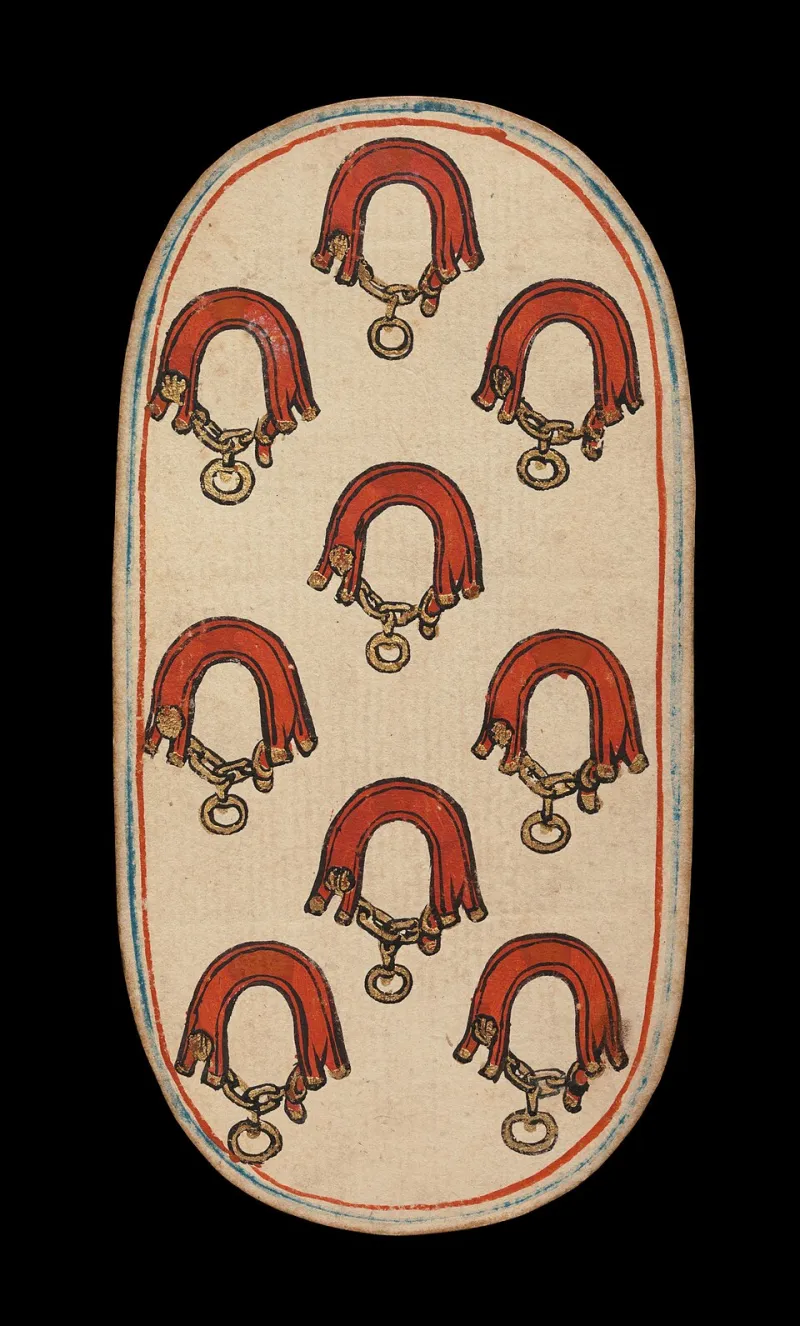
Photo: Unknown, CC0, via Wikimedia Commons
Here's something the casino industry doesn't advertise: if you grew up in a Bengali household, you've probably been training for the gaming floor your whole life without knowing it. The card games at a Chittagong wedding, the dice at an Eid fair, the carrom board that came out every winter — these aren't just memories. They're transferable skills.
Let's go through seven of them, with an honest look at what each is worth against the house.
1. Teen Patti → Three Card Poker
The family resemblance is obvious: both games deal three cards and rank hands almost identically. If you can read a teen patti table — who's bluffing, who's sitting on a trail — you already understand the psychology of the three card poker table.
The catch: the house edge on the standard Pair Plus bet runs about 2.3% to 7%, depending on the paytable. Your reading skills matter less here than in home games, because you're playing against a paytable, not a nervous uncle.
2. Carrom → Pocket Billiards and Other Aim-and-Angle Games
Carrom is geometry: angles, rebounds, touch control. That instinct maps onto any online game built on trajectory and precision thinking. More usefully, carrom teaches you to think two shots ahead — the same sequential planning that separates decent blackjack players from automatic ones.
The catch: carrom skill itself doesn't lower any house edge. Its value is mental discipline, not direct translation.
3. Ludo Dice Logic → Craps and Sic Bo
Anyone who's played Ludo understands dice probability at a gut level — you know the odds of a six, you know how unlikely a double run is. That intuition transfers directly to craps, where knowing that seven is the most common roll is genuinely valuable.
The catch: craps' Pass Line bet carries a modest 1.41% edge, which is one of the better deals in the casino. Sic Bo, however, can run past 15% on some bets. Your Ludo instincts are good; read the paytable anyway.
4. Wedding-Week Rummy → Online Rummy and Video Poker
Rummy is arguably the strongest transfer on this list. It's a genuine skill game — tracking discards, calculating odds on the draw, reading opponents' hands from what they pick up. Online rummy and skill-based card games reward exactly this. Video poker rewards a cousin of it: optimal discard decisions under probability.
The catch: full-pay video poker (like 9/6 Jacks or Better) can dip below a 0.5% house edge with perfect play. That's the best number on this entire list — if your strategy is actually perfect.
5. Satranj and Chess Culture → Live Dealer Strategy Games
South Asia's board-game heritage runs deep, and strategic patience — knowing when to press and when to fold — is the core skill behind baccarat streak management and blackjack bankroll discipline.
The catch: no amount of strategy touches the baccarat edge (about 1.06% on Banker). What strategy does is keep you from making the 5%+ mistakes, like Tie bets.
6. Andar Bahar → Andar Bahar (Obviously)
This one's a straight port. The online version plays identically to the street version: one card, two sides, pure fifty-fifty rhythm. Bengali and South Asian players walk into this game with zero learning curve.
The catch: the game is nearly a coin flip, but the house edge sits around 2% on the main bet — and side bets are where the house quietly eats. Skip them.
7. Haggling at the Market → Bankroll Negotiation With Yourself
This one sounds like a joke, but it isn't. Anyone raised on bazaar economics understands value versus price — that a bonus offering 100% back with a 50x wagering requirement is a worse deal than one offering 50% back at 10x. That's the same muscle that spots an inflated price on a sari.
The catch: none. This skill has a real, measurable payoff, because most casino losses come not from bad games but from bad terms. Reading a bonus like a haggler is the single most profitable habit on this list.
The Honest Bottom Line
Cultural fluency gets you comfortable faster — it shortens the learning curve and keeps you from feeling like a tourist. What it doesn't do is repeal mathematics. Every game above still has a house edge, and the players who last are the ones who treat these familiar games as entertainment with a skill component, not an income stream.
Your uncle would probably say the same thing: play the hand you're dealt well, know the price before you sit down, and never bet what you can't laugh about losing.